
Introduction
Move-In vs. Move-Out cleaning is a common comparison that homeowners and tenants make during the relocation process. While both services involve deep cleaning, their primary objectives are fundamentally different. For instance, move-out cleaning focuses on leaving a property in pristine condition for the next occupant or to secure a security deposit. In contrast, move-in cleaning is all about creating a fresh, sanitized start for yourself and your family. Understanding these nuances is essential because a clean home is the foundation of a healthy lifestyle. Consequently, knowing which service to book can save you both time and money.
The Core Objectives of Move-Out Cleaning
When you leave a property, the goal is often tied to legal or financial obligations. Typically, landlords require a “broom-clean” or “deep-clean” standard before they return your deposit. This is where a move-out service becomes invaluable. Furthermore, it involves cleaning areas that were likely ignored for years, such as the space behind the refrigerator or the inside of kitchen cabinets.
According to Forbes Home Advice, a professionally cleaned home can increase the speed of a property sale by making it more attractive to potential buyers. Therefore, if you are a seller, this service is a strategic investment rather than just a chore. You might also want to read our Security Deposit Recovery Guide for more tips on leaving a rental.
Why Move-In Cleaning is a Personal Necessity
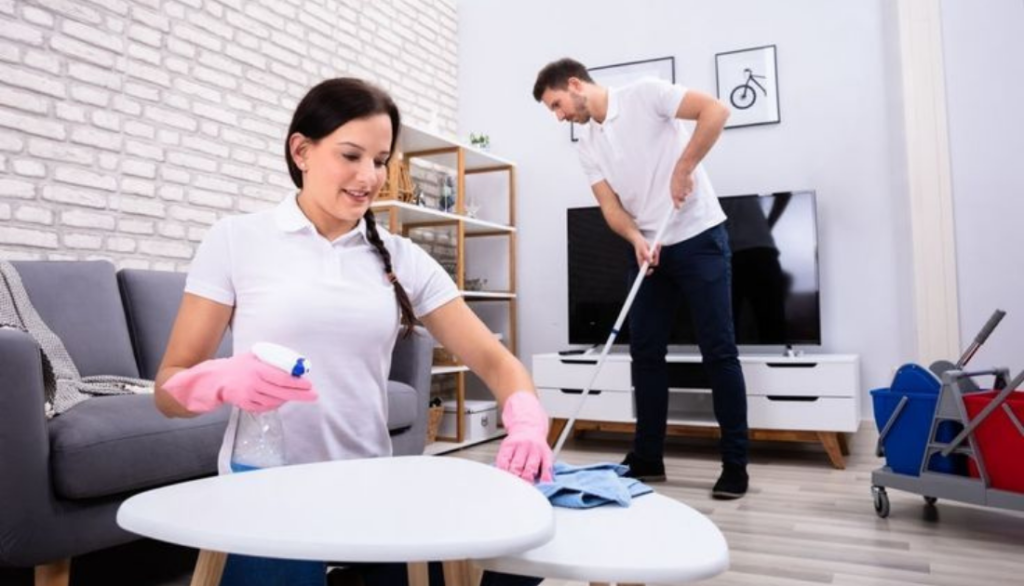
Move-In vs. Move-Out cleaning differs most in the level of sanitization required for personal comfort. Even if the previous tenant “cleaned” the house, they likely left behind dust mites, pet dander, or germs in the vents. As a result, many people feel uncomfortable using a bathroom or kitchen that hasn’t been personally sanitized.
Healthline suggests that moving into an unsanitized environment can trigger allergies and respiratory issues. Specifically, deep cleaning during a move-in focuses on high-touch surfaces like light switches, doorknobs, and toilet handles. In addition, it is much easier to clean floors and baseboards while the house is still empty of furniture. Check out our New Home Sanitization Checklist to ensure you don’t miss any spots.
Detailed Comparison: Scope of Work
In the debate of move-in vs. move-out cleaning, the checklist often overlaps, but the focus shifts. For example, move-out cleaning focuses heavily on “erasing” your presence. This includes removing scuff marks from walls, cleaning window tracks, and ensuring the oven is free of burnt-on grease.
On the other hand, move-in cleaning is about “preparing” for your presence. In light of this, professionals often focus more on disinfecting the interiors of closets, drawers, and pantries where you will soon store your clothes and food. The Spruce notes that a move-in clean is the only time you can truly reach every square inch of the flooring before rugs and sofas are placed.
The Importance of Professional Equipment
A standard vacuum cleaner often lacks the power needed for a relocation deep clean. Instead, professional services use industrial-grade steam cleaners and HEPA-filter vacuums. Chunanchay, these tools are vital for removing the fine construction dust or old pet hair that lingers in the carpets.
The EPA (Environmental Protection Agency) highlights that deep cleaning can significantly reduce indoor air pollutants. Because of this, hiring professionals ensures that the air in your new home is safe for children and pets. Moreover, experts use specialized chemicals that kill 99.9% of bacteria without damaging expensive surfaces like marble or hardwood.
Conclusion
Deciding between move-in vs. move-out cleaning depends entirely on your current stage of the moving process. Ultimately, move-out cleaning protects your reputation and finances with a landlord, while move-in cleaning protects your family’s health and peace of mind. Both are essential steps in a successful transition. Finally, remember that a clean home is not just a luxury; it is a requirement for a happy and healthy life in a new environment.
Frequently Asked Questions (FAQs)
1. Is move-in cleaning more expensive than move-out cleaning? Generally, the prices are similar because both require a deep-clean standard. However, if a property is extremely dirty after years of neglect, the move-out clean may take longer and cost more.
2. Should I clean the house myself or hire a professional? While you can clean yourself, moving is exhausting. Lehaza, hiring a professional service allows you to focus on packing and logistics while ensuring a higher standard of hygiene.
3. Does move-out cleaning include carpet steaming? Usually, carpet steaming is an add-on service. Taham, many landlords require a receipt for professional carpet cleaning to return the full security deposit.
4. How long does a move-in cleaning service take? For a standard three-bedroom home, it takes approximately 4 to 8 hours. This depends on the number of cleaners and the initial condition of the house.
5. Can I stay in the house during a move-in clean? Yes, you can be present. But, it is often more efficient if the house is empty so the cleaners can move freely between rooms without obstacles.
6. Do cleaners provide their own supplies? Typically, professional companies bring all necessary chemicals and equipment. Nevertheless, it is always best to confirm this during the booking process.
References
- Environmental Protection Agency (EPA): An official source providing guidelines on indoor air quality and the removal of household pollutants.
- Forbes Home Advice: Offers expert tips on real estate maintenance and the financial benefits of professional cleaning.
- Healthline – Moving and Health: Discusses the medical importance of sanitizing a new living space to prevent allergies.
- The Spruce – Cleaning Guides: A leading resource for home improvement and detailed deep-cleaning checklists.
- Mayo Clinic – Mold Prevention: Provides critical information on identifying and removing mold during a property transition.