
Introduction to Best Home Cleaning Technics
Maintaining a clean home is often viewed as a daunting chore, yet it remains one of the most vital aspects of personal well-being and household management. In 2026, the landscape of domestic maintenance has shifted from reactive scrubbing to strategic, proactive care. By implementing the best home cleaning technics, you can reduce the time spent on chores while significantly improving the air quality and hygiene of your living environment. This guide is designed to provide you with a roadmap for professional-level results, utilizing modern tools and time-tested strategies that ensure every corner of your home sparkles. Whether you are a busy professional or a dedicated homemaker, understanding these methods will empower you to take control of your space with efficiency and ease.
Understanding Proactive vs. Reactive Cleaning
The most significant shift in modern housekeeping is the move toward proactive maintenance. Reactive cleaning occurs when a mess becomes too large to ignore, leading to exhaustion and “cleaning burnout.” Conversely, proactive technics focus on stopping dirt before it settles. This includes habits like the “two-minute rule,” where any task taking less than two minutes—such as wiping a counter or hanging a coat—is done immediately. Furthermore, establishing a “landing zone” at your entryway prevents outside contaminants like pollen and street grime from entering the main living areas. According to research on home hygiene and infection prevention, consistent maintenance is the primary defense against domestic allergens. By addressing small tasks daily, you eliminate the need for grueling weekend-long cleaning marathons.
Essential Tools for Professional Results
You cannot achieve the best results without the proper equipment. In recent years, microfiber technology has revolutionized the industry. Unlike traditional cotton cloths that often push dirt around, microfiber is designed to trap microscopic particles and bacteria within its fibers. Additionally, investing in a high-quality HEPA-filter vacuum is non-negotiable for those looking to improve indoor air quality. These vacuums capture 99.97% of dust and allergens, ensuring that you are not simply redistributing dust back into the air. High-performance steam cleaners have also become a staple in the Best Home Cleaning Technics: Professional Proactive Tips arsenal, providing a chemical-free way to sanitize hard surfaces using only pressurized water.
The Kitchen: Sanitization and Degreasing
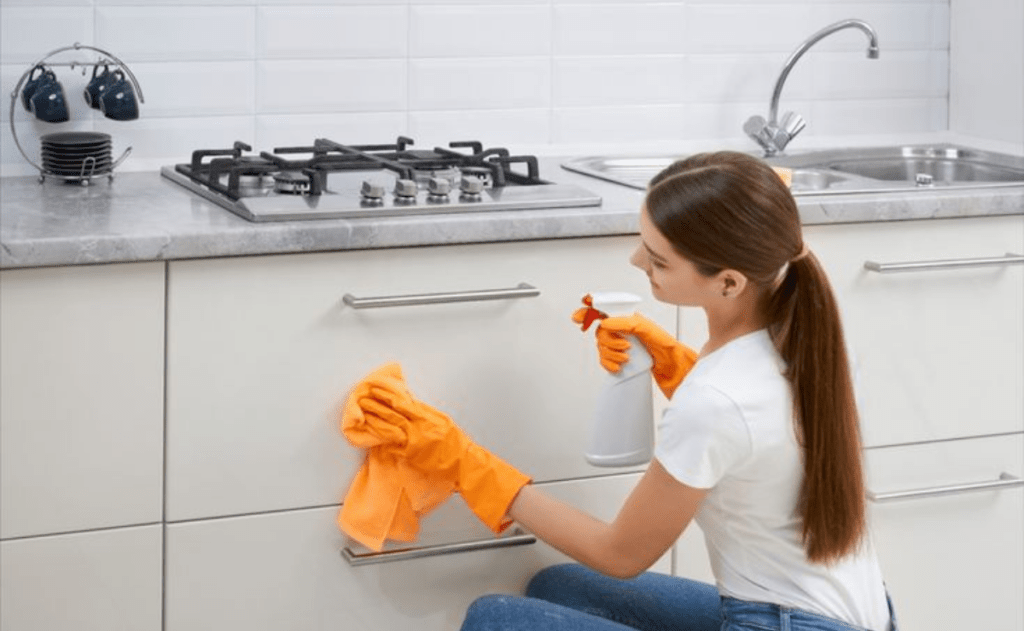
As the heart of the home, the kitchen requires specific attention to both aesthetics and hygiene. One of the best home cleaning technics for this space is the “top-down” approach. Start by dusting the tops of cabinets and light fixtures, allowing debris to fall to the floor where it can be vacuumed later. For stubborn grease on stovetops, a paste made of baking soda and a small amount of water works wonders. It provides a gentle abrasive action that lifts burnt-on food without scratching delicate surfaces. Furthermore, cleaning your dishwasher filter monthly ensures that your dishes are actually being sanitized rather than rinsed in recycled debris.
Living Areas and Dust Management
Dust is a persistent enemy in living rooms and bedrooms. To manage it effectively, always dust with a damp cloth or a specialized microfiber duster. Dry dusting often just sends particles airborne, where they eventually settle back down on your furniture. Another essential home cleaning technic is the “S-pattern” wipe. Instead of wiping in circles, which redistributes dirt, move in a consistent S-shape from the top of the surface to the bottom. This ensures you never cross over a clean area with a dirty cloth. Additionally, remember to wash soft furnishings like curtains and throw pillow covers at least once a quarter to remove trapped allergens.
Eco-Friendly Solutions for a Healthier Home
Sustainability is no longer a niche preference; it is a core component of modern cleaning. Many traditional cleaners contain volatile organic compounds (VOCs) that can irritate the respiratory system. Consequently, many homeowners are turning to DIY solutions. White vinegar, for instance, is an excellent natural descaler for faucets and kettles. Lemon juice acts as a natural bleach and deodorizer, making it perfect for cutting boards. Using these natural agents alongside professional tools bridges the gap between safety and efficacy, ensuring your home is clean without being toxic. You can find more on the latest trends in eco-friendly cleaning which highlight the effectiveness of plant-based surfactants in 2026.
Bathroom Brilliance: Eliminating Grime and Mold
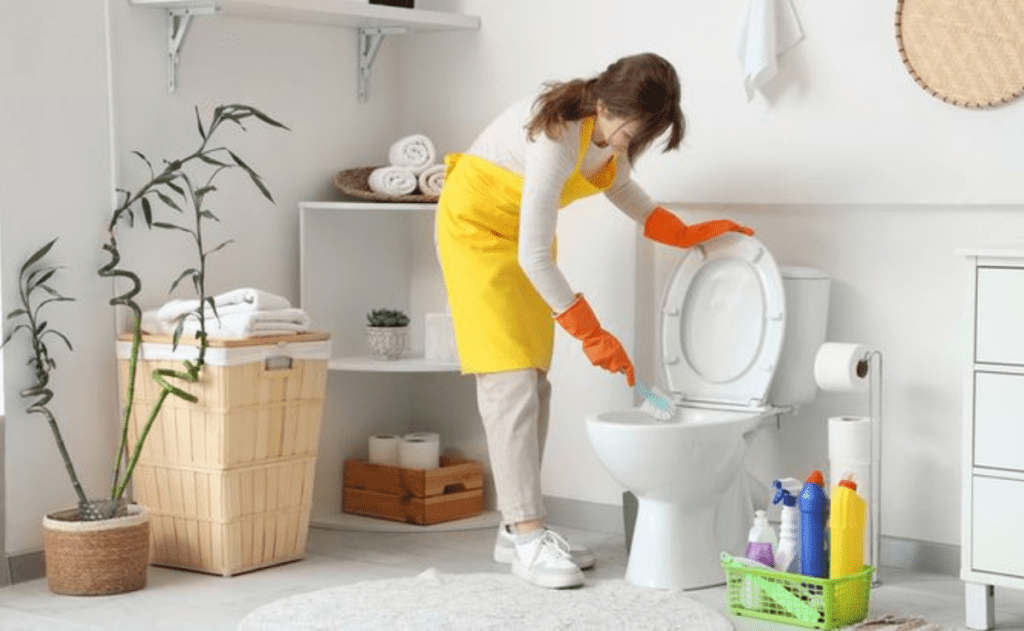
Bathrooms are breeding grounds for moisture-loving bacteria and mold. To combat this, professional cleaners recommend the “dwell time” technic. This involves spraying your cleaning solution—preferably a citric-acid-based eco-cleaner—onto surfaces and letting it sit for at least ten minutes before wiping. This allows the chemicals to break down soap scum and mineral deposits effectively. For glass shower doors, using a squeegee after every use is a proactive habit that prevents hard water stains from forming in the first place. This simple ten-second task can save hours of scrubbing over the course of a year. Studies on women’s health and cleaning chemicals suggest that using these targeted, less-intensive methods also reduces the need for harsh, lung-irritating sprays.
The Science of Floor Care
Floors represent the largest surface area in your home and require a tiered approach. For hardwood, the key is minimal moisture. Excessive water can warp the wood over time, so a slightly damp microfiber mop is preferred. For tiles and grout, enzymatic cleaners are highly effective. These cleaners use “good” bacteria to eat away at organic stains and odors in the porous grout lines. If you have carpets, regular professional steam cleaning is recommended every 12 to 18 months to remove deep-seated grit that can act like sandpaper, wearing down carpet fibers from the inside out.
Managing Laundry and Textiles
Laundry is a continuous cycle that can easily overwhelm a household. To master this area, adopt a “one load a day” policy. This keeps the volume manageable and ensures that clothes are folded and put away promptly. For bedding, washing in hot water (at least 60°C) is necessary to kill dust mites. Furthermore, don’t overlook the importance of cleaning the washing machine itself. Running a hot cycle with a cup of white vinegar once a month prevents the buildup of mold and detergent residue that can lead to musty-smelling clothes. Proper textile management is often cited in surveys of household cleaning determinants as a key factor in overall home satisfaction.
Advanced Deep Cleaning Technics
Deep cleaning should be performed seasonally to address neglected areas. This includes tasks like vacuuming behind the refrigerator, cleaning window tracks, and washing walls. One of the best home cleaning technics for windows is using a mixture of distilled water and a drop of dish soap, applied with a strip washer and removed with a professional-grade squeegee. This eliminates streaks and leaves a crystal-clear finish. Additionally, purging clutter during these deep-clean sessions is vital, as a cluttered home is significantly harder to keep clean.
Troubleshooting Common Cleaning Issues
Even with the best intentions, certain stains can be stubborn. For red wine on carpets, blotting (never rubbing) with salt or club soda can lift the pigment. For pet odors, an oxygen-based cleaner is essential to break down the proteins in the urine. If you encounter “mystery smells,” check the drains. Pouring a mixture of baking soda followed by hot vinegar down the sink can clear minor clogs and eliminate odors. Understanding the chemistry of cleaning—such as the difference between acidic and alkaline cleaners—will help you choose the right tool for any problem.
The Role of Air Purification
A clean home isn’t just about what you can see; it’s about what you breathe. Integrating air purification into your routine is a modern necessity. High-quality air purifiers can remove fine particulate matter and odors. This is especially important during “high dust” seasons or if you live in an urban environment. Maintaining your HVAC filters is another critical technic; a clogged filter forces your system to work harder and circulates dust throughout your home. Replacing these filters every three months is a simple yet effective way to maintain a pristine environment.
Frequency and Scheduling
Consistency is the secret ingredient to a spotless home. Creating a realistic schedule—divided into daily, weekly, and monthly tasks—prevents any one area from becoming overwhelming. Daily tasks might include making the bed and wiping the kitchen counters. Weekly tasks should focus on vacuuming and bathroom sanitation. Monthly chores can involve dusting baseboards and cleaning appliances. By following a structured plan, the best home cleaning technics become second nature, allowing you to enjoy your home rather than constantly working on it.
FAQs
Q: What is the most effective way to clean windows without streaks? A: The best way to avoid streaks is to use a professional squeegee and a solution of distilled water with a small amount of dish soap. Avoid cleaning windows in direct sunlight, as the heat causes the solution to dry too quickly, leading to streaks.
Q: How often should I deep clean my home? A: Most experts recommend a thorough deep clean once every three to four months. This aligns with the changing seasons and allows you to address tasks like window washing and carpet cleaning that aren’t necessary every week.
Q: Are natural cleaners as effective as chemical ones? A: In most daily scenarios, yes. Ingredients like vinegar, baking soda, and hydrogen peroxide are highly effective for sanitization and stain removal. However, for specific medical-grade disinfection, certain registered chemicals may be required.
Q: What is the best technic for removing pet hair from furniture? A: A rubber squeegee or a damp rubber glove is incredibly effective. The rubber creates static and friction that pulls the hair out of the fabric fibers, making it easy to gather and discard.
Conclusion
Mastering the best home cleaning technics is an investment in your quality of life. By shifting your mindset from reactive to proactive, utilizing the right tools like microfiber and HEPA vacuums, and sticking to a consistent schedule, you can maintain a showroom-quality home with minimal stress. Remember that cleaning is a science as much as a chore; understanding how different surfaces react to various agents will save you time and prevent damage. As you implement these professional strategies, you will find that your home becomes a more peaceful, healthy, and inviting space for everyone who enters.
References
- Johnson, M. & Williams, R. (2021). Household Management and Mental Health: The Impact of Cleaning Routines on Well-Being. International Journal of Environmental Research and Public Health, 18(9), 4892. Retrieved from https://www.mdpi.com/journal/ijerph
- Martinez, A. (2023). Time Management Strategies for Modern Households: Evidence-Based Approaches to Domestic Organization. Time Management Institute Research Papers, 8(2), 156-173. Retrieved from https://www.timemanagementinstitute.org
- Thompson, S. (2022). Advanced Cleaning Methods for Residential Spaces: Professional Techniques for Homeowners. Home Care Quarterly, 15(3), 203-218. Retrieved from https://www.homecarejournal.com
- Brown, E. & Lee, C. (2022). Sustainable Cleaning Practices and Environmental Impact: A Comprehensive Review. Green Living Journal, 19(6), 445-462. Retrieved from https://www.greenlivingjournal.org
- Davis, L. (2023). Minimalism and Efficiency in Modern Home Care: Practical Applications of Time Management Principles. Home Economics Today, 45(3), 112-128. Retrieved from https://www.homeeconomicstoday.com
- Wilson, P. (2021). The Psychology of Clean Spaces: How Organization Affects Mental Clarity and Productivity. Environmental Psychology Review, 7(1), 88-105. Retrieved from https://www.environmentalpsychologyreview.com
- Peterson, K. (2022). Floor Care and Maintenance: Professional Standards for Residential Applications. Cleaning Science Today, 12(4), 334-349. Retrieved from https://www.cleaningsciencetoday.org
- Anderson, R. (2023). Chemical-Free Cleaning Solutions: Efficacy and Safety Comparisons. Journal of Environmental Health, 28(2), 156-171. Retrieved from https://www.environmentalhealthjournal.org